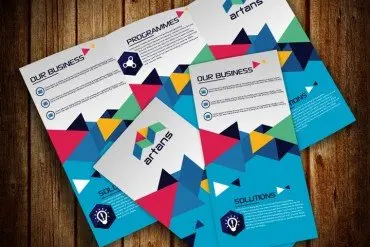
Think of a brand you recognize instantly — perhaps from a color on a shelf, a typeface on a billboard or the tone of an email. That instant recognition doesn’t happen by accident. It is the result of a carefully built brand identity: the consistent set of visual and verbal elements a business uses to express who it is.
This guide explains what brand identity includes, why it matters and how to build one step by step.
Brand, brand identity and branding: what’s the difference?
- Brand: the overall perception people hold about your business — their feelings, expectations and experiences.
- Brand identity: the elements you create to shape that perception — logo, colors, typography, imagery, voice and more.
- Branding: the ongoing activity of building and expressing the brand through design, communication and experience.
You cannot fully control your brand, because it lives in people’s minds. You can control your brand identity — and use it consistently to influence how people see you.
Why brand identity matters
Recognition
Consistent colors, fonts and visuals help people recognize you instantly, even before they read your name.
Trust
A professional, consistent identity signals reliability. Inconsistent materials make a business look disorganized.
Differentiation
In crowded markets, a distinctive identity helps customers remember you and choose you over competitors.
Efficiency
When your identity is defined, every new flyer, website page or social post is faster to produce because the key decisions are already made.
Value
Strong brands can command loyalty and, often, better prices. Recognition becomes an asset.
The core elements of brand identity
1. Logo
The anchor of your visual identity. A complete logo system includes primary, secondary and icon versions. Read our guide on how to design a logo for the full process.
2. Color palette
Primary, secondary and neutral colors with exact codes for screens and print. Color is often the most recognizable element of a brand.
3. Typography
A headline typeface and a body typeface, with rules for sizes, weights and spacing.
4. Imagery
Guidelines for photography and illustration: subject matter, lighting, composition, editing style.
5. Graphic elements
Patterns, shapes, icons, textures and layout devices that make materials feel related.
6. Voice and tone
How your brand writes and speaks: formal or casual, technical or plain-English, playful or serious.
7. Applications
Real-world items: business cards, letterheads, brochures, signage, packaging, website, social media templates, presentations.
8. Guidelines
A brand style guide documenting how everything should be used.
How to build a brand identity step by step
Step 1: Define your strategy
Before visuals, clarify:
- Purpose: why your business exists beyond making money
- Audience: who you serve and what they care about
- Positioning: how you are different from competitors
- Personality: the human traits your brand expresses
- Promise: what customers can always expect from you
Step 2: Research your market
Audit competitors’ identities. Look for visual patterns and gaps — places where you can stand out.
Step 3: Design the logo
Create a distinctive, versatile mark that reflects your personality and works at every size.
Step 4: Build the visual system
Extend the logo into colors, typography, imagery and graphic elements. Test them together on real applications.
Step 5: Develop the verbal identity
Define your tone of voice, key messages, tagline and vocabulary.
Step 6: Design key applications
Start with the materials customers see most: website, social media, business cards, signage, proposals, packaging.
Step 7: Document guidelines
Create a style guide so everyone — staff, freelancers, printers — uses the identity correctly.
Step 8: Launch and stay consistent
Roll out the identity across every touchpoint, and review regularly to catch inconsistencies.
Brand identity elements at a glance
| Element | Purpose | Key decisions |
|---|---|---|
| Logo | Identification | Type, versions, clear space |
| Color | Recognition, emotion | Primary, accent, neutrals |
| Typography | Personality, readability | Headline and body fonts |
| Imagery | Atmosphere | Photo style, illustration |
| Graphics | Cohesion | Patterns, icons, shapes |
| Voice | Personality in words | Tone, vocabulary |
| Templates | Efficiency | Social, documents, presentations |
| Guidelines | Consistency | Rules and examples |
Signs your brand identity needs work
- Your materials look different every time
- Customers confuse you with competitors
- Your visuals no longer reflect your services or audience
- Staff create their own designs with no rules
- Your website, social media and print feel disconnected
Brand identity for small businesses
You don’t need a huge budget to build a strong identity. Start with:
- A professional logo with variations
- Two or three brand colors
- Two fonts
- A business card and letterhead
- Social media templates
- A one-page style sheet
Then grow the system as your business grows. Our stationery, brochure and banner design services help extend your identity into print and digital materials.
Consistency is the secret
The strongest identities are not necessarily the most elaborate — they are the most consistent. Every time a customer sees the same colors, fonts and voice, recognition grows. Over months and years, that recognition becomes trust.
Build your identity with World Website Designs
Our branding team creates identities that stay consistent across every touchpoint — from logos and stationery to brochures, banners, social media and websites. Explore our branding services, start with our custom logo design services, or see complete identity projects in our portfolio.
Frequently asked questions
What is the difference between brand and brand identity?
Your brand is how people perceive your business. Your brand identity is the set of elements you design and control — logo, colors, typography, imagery, voice — to shape that perception.
How long does it take to build a brand identity?
Designing the core identity can take a few weeks. Building recognition takes longer and depends on consistent use across every touchpoint.
Does a small business need a full brand identity?
A small business needs at least a logo, colors, fonts and a few templates. As it grows, a fuller identity system and guidelines keep everything consistent.
World Website Designs
Need help with branding & identity?
Award-winning designers, unlimited revisions and 100% ownership rights — with 24/7 support.